


It happened on 2 October
The travelling scholar stops off in Avon
On 2 October 2011, the geographer Georges Cazes died in Avon. He was 70 years old.
Born in Bagnères-de-Luchon, he spent his career taking seriously a subject that the academic world looked down upon: tourism. Holidays, travelling, the places we visit, and what becomes of them when we visit them.
Together with a few others, he turned it into a fully-fledged field of teaching and research. From 1985 to 1994, he chaired the association bringing together French-speaking tourism specialists.
A travel expert, in a city that has been welcoming visitors from all over the world for centuries.

Five years at sea, and an idea that’s set to change everything
On 2 October 1836, HMS Beagle dropped anchor at Falmouth, in Cornwall. It had set sail from Plymouth on 27 December 1831. Nearly five years travelling round the world.
On board, a 27-year-old naturalist was returning home with crates of specimens and notebooks full of notes. His name was Charles Darwin.
Twenty-three years later, these notebooks would become *On the Origin of Species*.
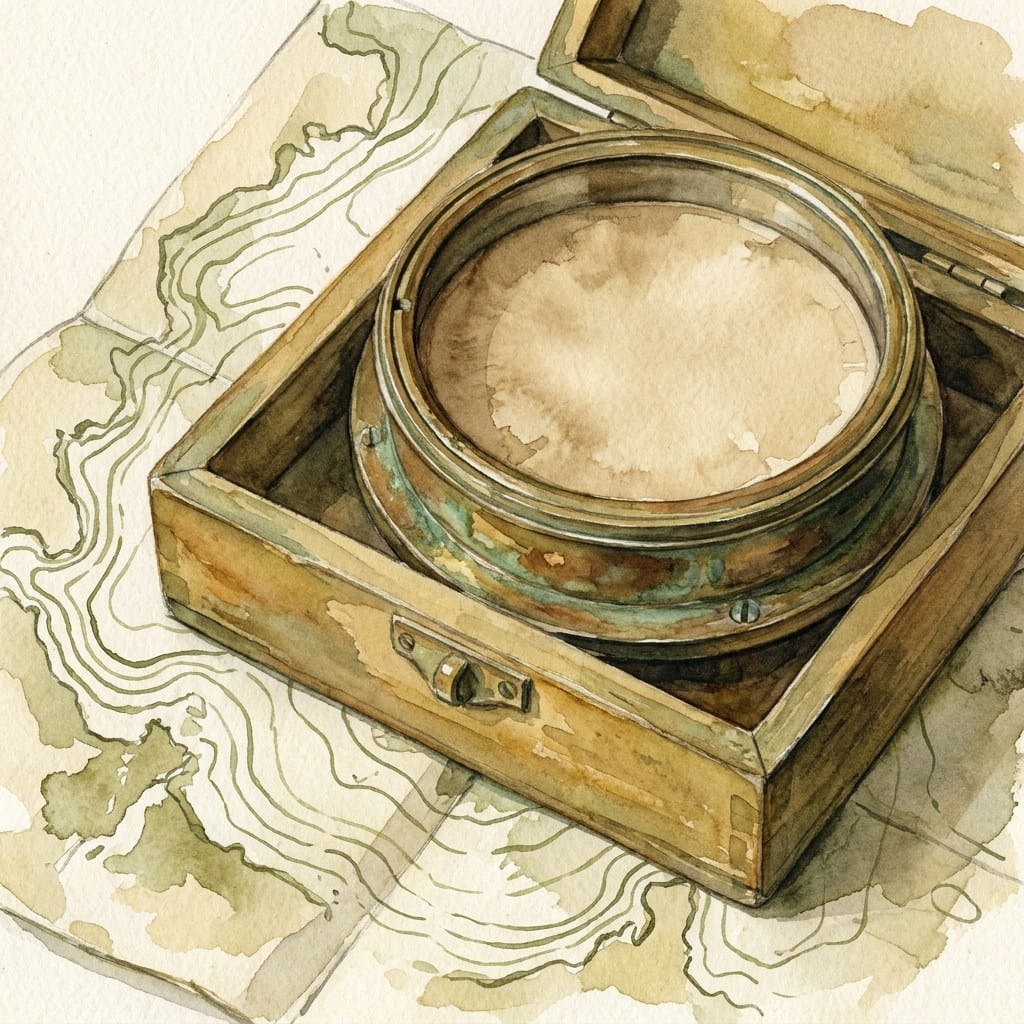
The captain who had predicted rain
The sailor who brought Darwin back to Falmouth on 2 October 1836 was called Robert FitzRoy. He commanded the Beagle throughout the voyage.
His second career is less well known. Having become head of the newly established British meteorological service, the forerunner of the Met Office, On 1 August 1861, he published the first weather forecast intended for the general public in *The Times*.
Next time you check the forecast for tomorrow, spare a thought for the captain of the Beagle.
 Every Friday
A week a hundred years ago
Every Friday, we feature the issue that local residents were reading exactly one hundred years ago.
According to L’Abeille de Fontainebleau, a weekly newspaper founded in 1835.
Issue of Friday 1 October 1926
The forest was already burning in the autumn of 1926
The summer of 1926 was very dry, and *L’Abeille* sums it up as follows: around twenty forest fires since the start of the season. Most of them went out quickly. Two made a difference.
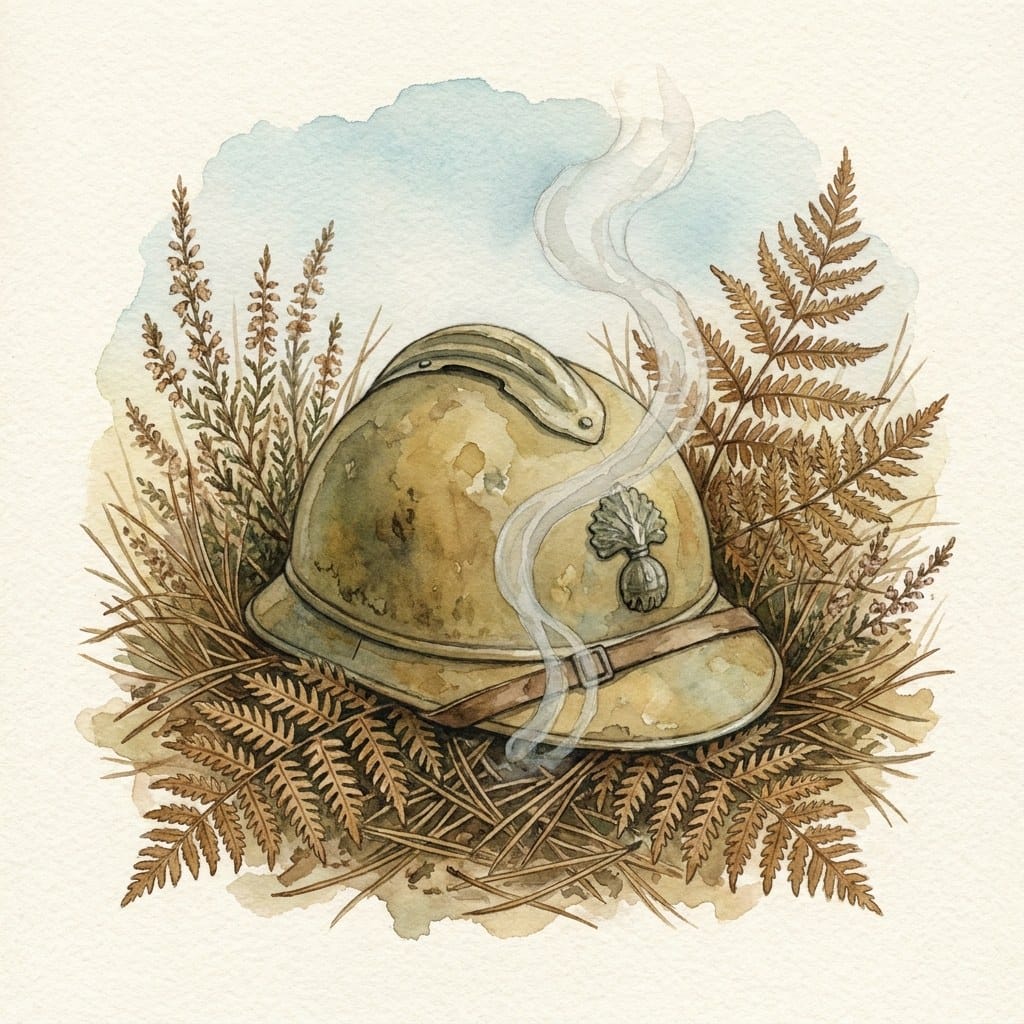
Around 70 hectares to begin with, in the area around Trappe Charrette, La Touche aux Mulets and Les Grands Feuillards. Then, on Tuesday morning, around 25 hectares on the Macherin plain. It took around sixty infantrymen and twenty artillerymen, led by the forest rangers, to complete the task by late afternoon. It was so hot that «the varnish on the soldiers» helmets was melting’.
The newspaper is calling for a second van for the park rangers, costing 20,000 francs plus 5,000 for maintenance. Its calculation: a tree is worth 25 francs, Saving a thousand trees pays for the van. And he quotes the foresters: a fire «is generally easy to bring under control if it is tackled within the first hour».
A hundred years later, the fire that broke out on 12 July 2026 in the Trois Pignons had spread across nearly 2,000 hectares, almost a tenth of the mountain range.
A thirteenth delivery driver, on a bicycle
Fontainebleau is creating a thirteenth post for a postman. The newcomer will go on tour by bike, because the town is expanding: Boulevard Magenta, La Fourche, the Plaine de la Chambre, the lower part of Rue Adam Salomon. New houses are springing up further from the centre, so the post has to keep up.
The Sunday train is running extra services
So many Parisians come every Sunday to visit the château and the forest that the special, discounted train service – scheduled to run until 19 September – is still operating. Departure from Paris at 7.30 am, 20 francs for a second-class return ticket to Fontainebleau, 23 for Thomery and Moret.