


It happened on 7 October
Amidst the hail, the races are back in Fontainebleau
On 7 October 1901, the Vallée de la Solle racecourse reopened its doors. The Fontainebleau meeting had been discontinued since 1898.
A handful of residents of Bellifontaine, led by Paul Tavernier, have revived a racing club with twenty-two founding members. Count Antoine de Gontaut-Biron is its chairman.
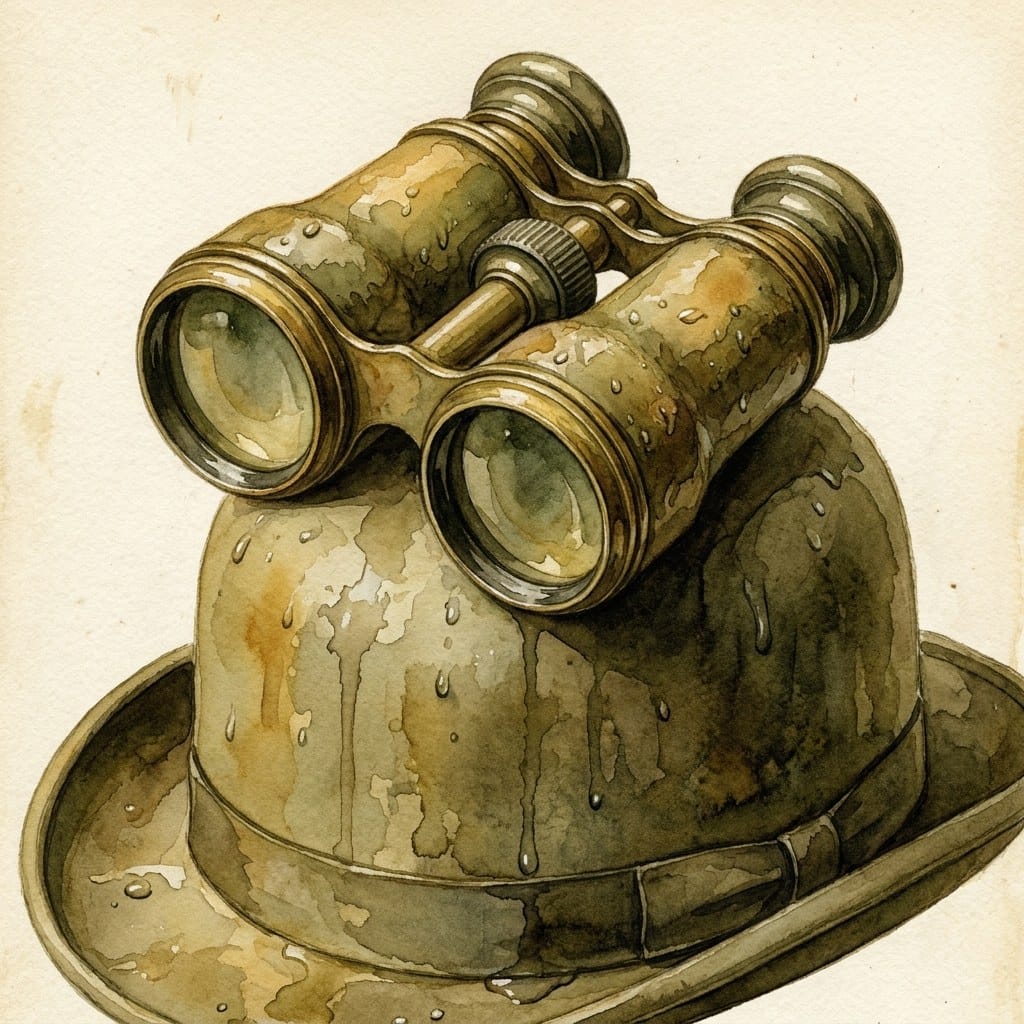
The storm had raged the day before, and it was raining mixed with hail. The audience turned up all the same, «numerous and elegant». *L’Abeille de Fontainebleau* refers to a «resurrection».
One hundred and twenty-five years on, the Solle is still flowing.
The barcode was born in the sand
On 7 October 1952, the Americans Norman Joseph Woodland and Bernard Silver were granted patent No. 2,612,994 for an automatic reading system. Their first barcode is round, a target consisting of concentric circles.
The idea came to Woodland whilst he was on a beach in Miami Beach. A former scout who grew up reading Morse code, He draws four lines in the sand with his fingers and stretches the dots and lines into strips.
The patent was sold on to Philco for $15,000. It wasn’t until the lasers of the 1970s and the rectangle designed at IBM by George Laurer that the idea really took off.
It all started with a microbe, in Fontainebleau
On 7 October 1901, *L’Abeille* also recounted the origins of the site. According to the newspaper, the Solle Valley was cleared in 1860 to serve as a manoeuvring ground for the cavalry. Some young people from the town, who were on holiday, immediately rushed over there, two years before the first official races.
On the soggy track, the underdogs are having a field day. Sainte-Allouest, the 14-to-1 outsider, wins the Prix de la Ville de Fontainebleau and pays out 92.50 francs for every 5 francs staked.
A horse fell into the dry moat, «without either rider or horse coming to any harm».
And amongst the runners in another race was a horse called Microbe.
