


It happened on 23 October
The ‘sheep painter’ dies in Barbizon
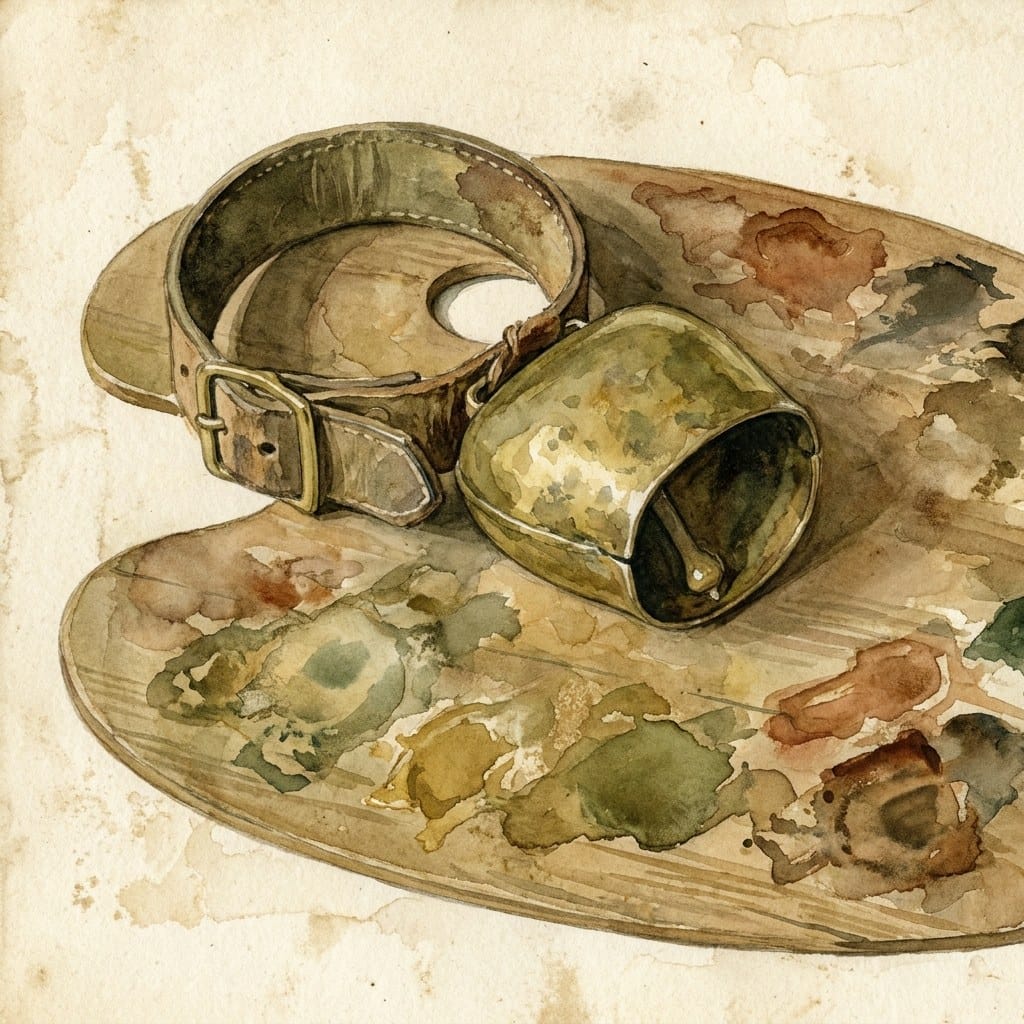
On 23 October 1906, the painter Ferdinand Chaigneau died in Barbizon. He was 76 years old.
Before 1870, he had decided to settle permanently on the edge of the forest. He had a house built for himself in Barbizon, which he never left.
L’Abeille de Fontainebleau hails him as «a delicate artist». We owe him his autumn effects, landscapes captured at the edge of the forest or on the Barbizon plain, where he studied the flocks of sheep with particular care.
The newspaper ranks him amongst the doyens and the few remaining artists who have brought fame to the hamlet. It also hails him as «one of our most loyal neighbours».
Small, blue, and not part of the programme
On 23 October 1958, some odd little characters appeared in the Belgian comic magazine Spirou. They popped up in a Johan and Pirlouit adventure, «La Flûte à six trous» (The Six-Hole Flute), later retitled «La Flûte à six schtroumpfs» (The Smurfs and the Magic Flute).
They were created by the Belgian cartoonist Peyo. They are merely secondary characters at this stage.
By the following year, they had their own series.
Supporting roles that soon stole the show.

Pass me the... Smurf
The word came into being before the characters appeared on 23 October 1958. And it came into being over a meal.
During a dinner with his colleague André Franquin, the creator of Gaston Lagaffe, Peyo was trying to think of the word «salt shaker». It just wouldn’t come to him. «Pass me the… Smurf,» he blurts out.
Franquin replies in the same tone: «Here it is, your Smurf.» And the two friends finish their meal chatting in Smurf-speak.
Peyo recounted the scene himself on Swiss television in 1976.
 Every Friday
A week a hundred years ago
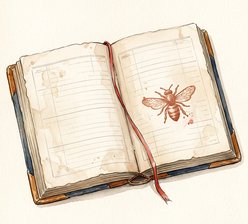
Every Friday, we feature the issue that local residents were reading exactly one hundred years ago.
According to L’Abeille de Fontainebleau, a weekly newspaper founded in 1835.
Issue of Friday 22 October 1926
Wood is worth its weight in gold at timber auctions
On Monday 18 October, in the Salle des Élections on Place de la République, the forest of Fontainebleau went under the hammer. The year’s timber lots were auctioned off: 57 lots across the forest. And the prices, notes L’Abeille, are «very high».
The total came to 1,256,700 francs. The first lot, the Bois-le-Roi plain, went for the «fantastic price» of 115,000 francs, «a figure which we believe is unprecedented in the annals of the Fontainebleau timber sales». It went to Mr Barthélemy, of Fontainebleau, who also carried off many other lots.
The newspaper looks back twenty years. In 1906, the entire sale raised 178,225 francs, and the most expensive lot at 11,500. The first lot from 1926 is worth ten times as much as that one. The list of lots reads like a map of the forest: Mont-Ussy, Rocher Cassepot, Nid aux Corbeaux, Plaine du Rosoir, Bas-Bréau, Vallée Jauberton.
A hundred years on, the Office national des forêts still sells timber from public forests at public sales, by auction or by call for tenders, now online.

A straw fire on Rue Royale
On Tuesday 19 October, at around 7 pm, it was dark. To light up his cart laden with straw, the cart driver from the horse-meat butcher’s used a Venetian lantern. On Rue Royale, in front of Villa Maddy, the lantern set the load alight. The cart was driven a few metres further, to the corner of Rue Saint-Merry, near a hydrant, and tipped over. No other damage, «but it made a fine bonfire».
No fires in the garden in broad daylight
The mayor of Fontainebleau reminds residents that, in winter, it is forbidden to burn grass or rubbish in courtyards and gardens between 8 am and 5 pm, as this causes a nuisance to the neighbourhood. Early in the morning or in the evening, however, it was still permitted to light a fire. Nowadays, it is illegal to burn garden waste at home at any time of year, on pain of a fine of 750 euros.