


It happened on 18 October
The edict known as the Edict of Fontainebleau
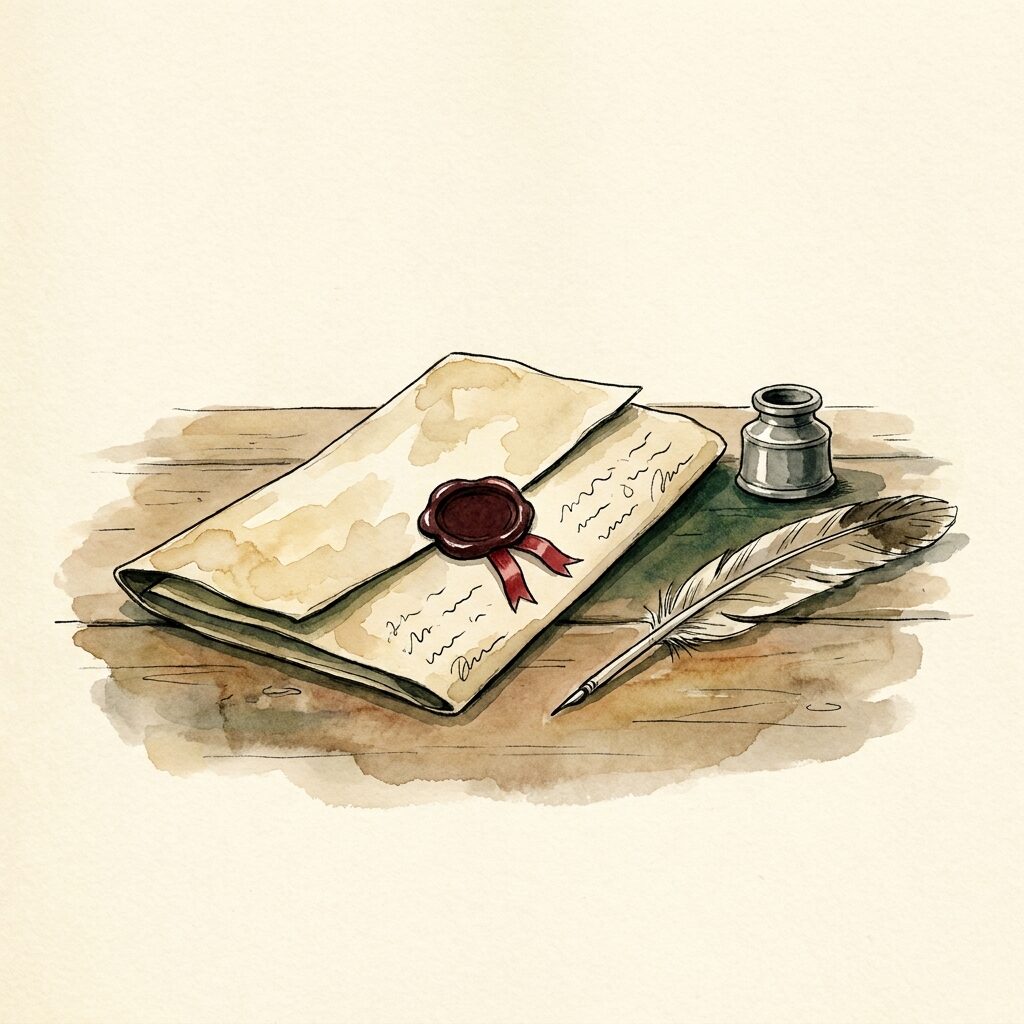
On 18 October 1685, at the Palace of Fontainebleau, Louis XIV signed the edict revoking the Edict of Nantes – the edict which his grandfather, Henry IV, had granted to the Protestants in 1598 to bring an end to the Wars of Religion.
The text, drafted by Chancellor Michel Le Tellier, banned the Protestant faith throughout the kingdom, except in Alsace. Churches were to be demolished and Reformed schools closed. Pastors who refused to convert were given fifteen days to leave: of around 700, 560 went into exile.
As for the faithful, they were not allowed to leave France, on pain of the galleys for men and imprisonment for women. They set off anyway: as many as 200,000 between 1685 and 1715, heading for England, the United Provinces, Switzerland or Brandenburg, where the Great Elector opened his doors to them from that autumn onwards. Berlin welcomed thousands of them.
Ever since that day, the name Fontainebleau has featured in every history book.
The ‘C’ in BBC stood for ‘Company’
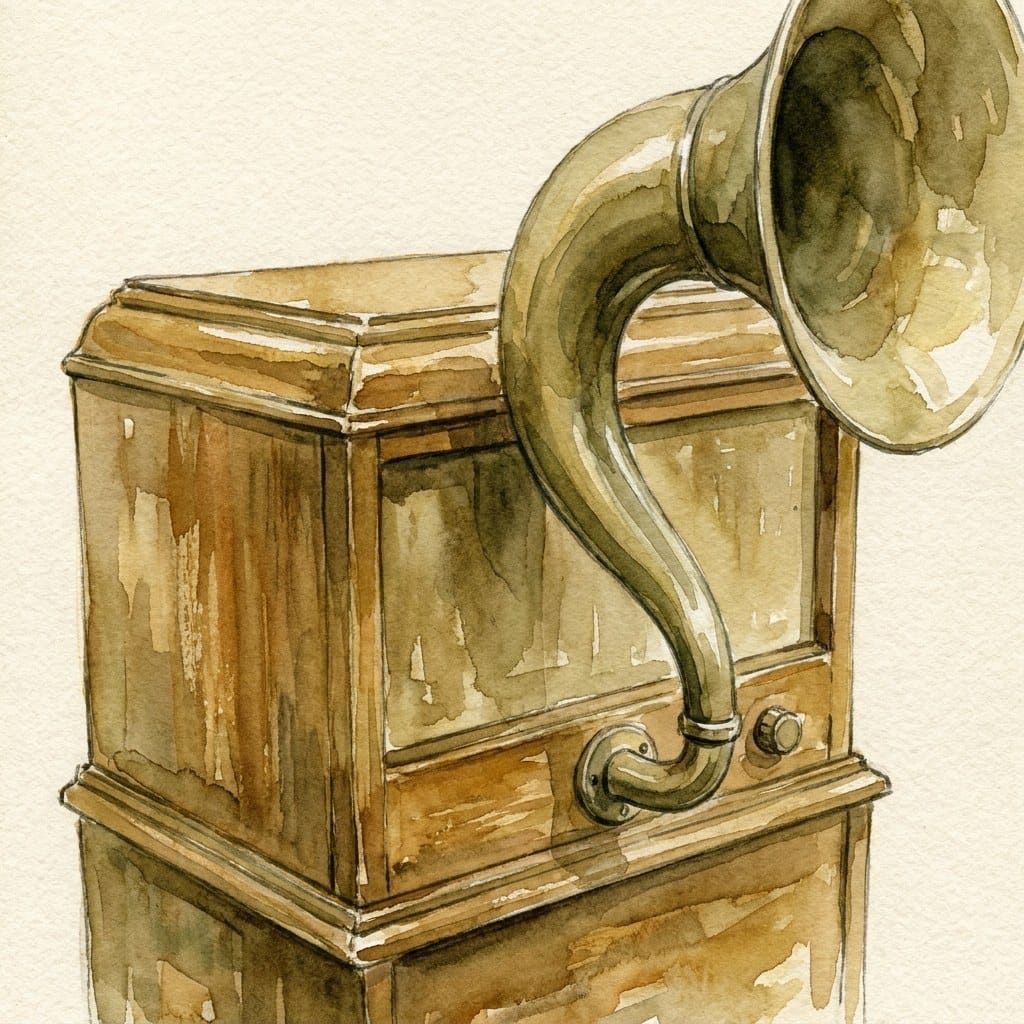
On 18 October 1922, a group of major radio manufacturers founded the British Broadcasting Company. Among them was the Marconi Company.
The future BBC was therefore born as a company of radio set manufacturers. Its regular broadcasts began on 14 November 1922 from Marconi’s 2LO studio on the Strand in London.
At the end of the year, a 33-year-old Scottish engineer, John Reith, was appointed managing director.
Before it was a voice, the BBC was a business of radio sets.
The king sang out of tune at Fontainebleau
Another 18 October, another mood. In 1752, the court of Louis XV discovers «Le Devin du village» at the château, a short opera for which Jean-Jacques Rousseau wrote both the words and the music. In his «Confessions», he remembers above all the tears his music drew from the audience.
That same evening, he learns that he is to be presented to the king the next day. There is talk of a pension. He sleeps badly: he can already picture himself letting slip «one of my usual blunders». He pleads ill health and leaves Fontainebleau in the morning. The pension is lost.
The singer Jélyotte later writes to him that all day long, the king sings «in the most out-of-tune voice in his kingdom» Colette’s aria, sung by the shepherdess of the opera. It begins with «J’ai perdu mon serviteur» (I have lost my servant). The king could not have put it better.
Would you like to hear Colette’s aria? For once, you will have to go all the way to Versailles: the whole opera, filmed in 2017 at the Théâtre de la Reine, is available online on the Opéra Royal’s YouTube channel.
