

It happened on 29 October
An opera in Occitan performed before the King at Fontainebleau
On 29 October 1754, the court of Louis XV discovered at the château de Fontainebleau “Daphnis et Alcimadure”, a pastoral by Jean-Joseph Cassanéa de Mondonville.
What makes it special is that it is sung in Occitan, the language of Mondonville’s home region (he was born in Narbonne). Only the prologue is in French. It was written by the Abbé de Voisenon, a native of Seine-et-Marne.
The title roles are played by two stars from the Midi: Marie Fel from Bordeaux and Pierre Jéliote from Béarn. It is often regarded as the first opera in Occitan.
A critic of the time scoffed at it: to appreciate it, you had to understand that jargon. And even if we had understood it, he adds, we might have enjoyed it even less.

“LO”, and the network crashes
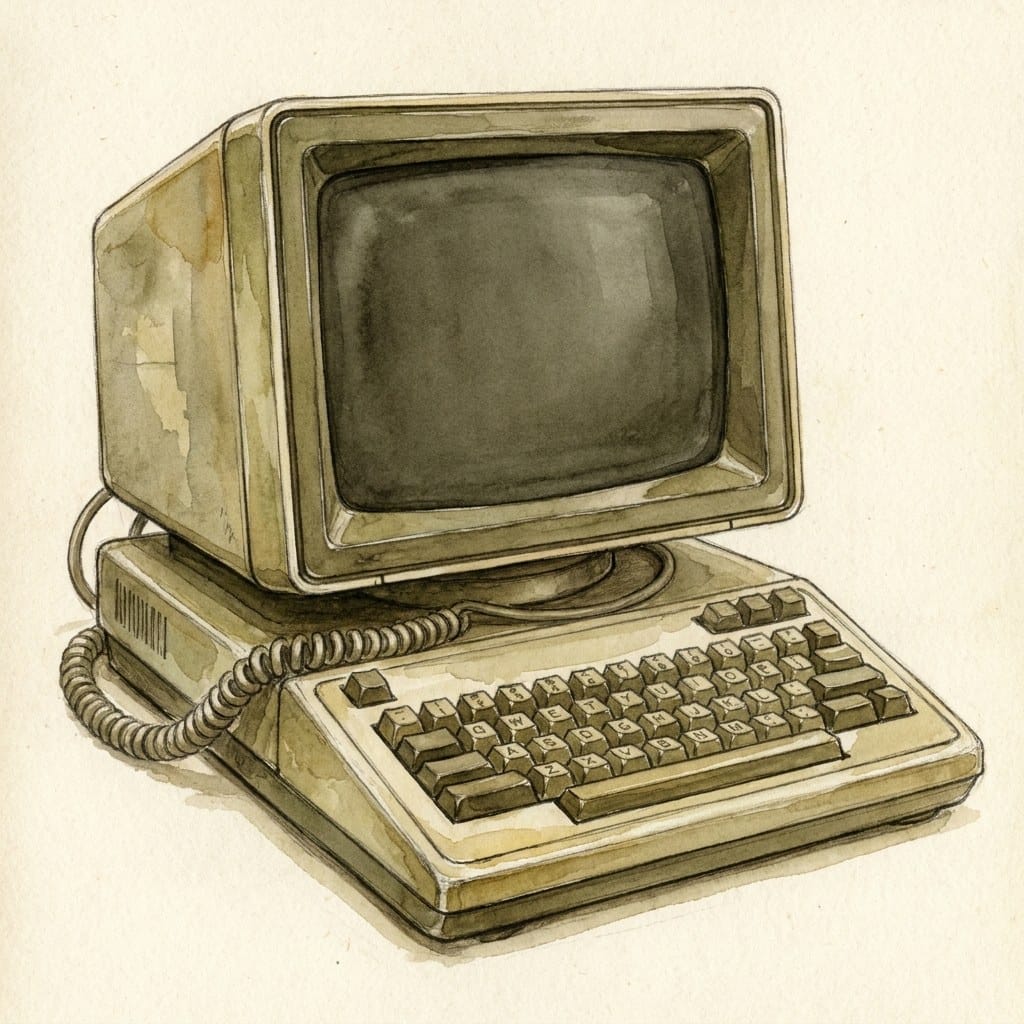
On 29 October 1969, a team from the University of California, Los Angeles, attempted to send the command “LOGIN” to the Stanford Research Institute. The route: Arpanet, the fledgling network that was the forerunner of the Internet.
The system crashed after two letters: “LO”. The full message got through a little later.
Professor Leonard Kleinrock saw this as a prophetic message. “Lo”, as in the English expression “lo and behold”, “and behold…”.
So the first message sent via ARPANET ended in a failure.
Sargent’s lord was born in Fontainebleau
On 29 October 1854, Thomas Lister was born in Fontainebleau. As the eldest son of the third Baron Ribblesdale, he inherited the title in 1876 and became a trustee of the National Gallery.
A keen hunter, he led Queen Victoria’s royal pack from 1892 to 1895, serving as Master of the Royal Buckhounds.
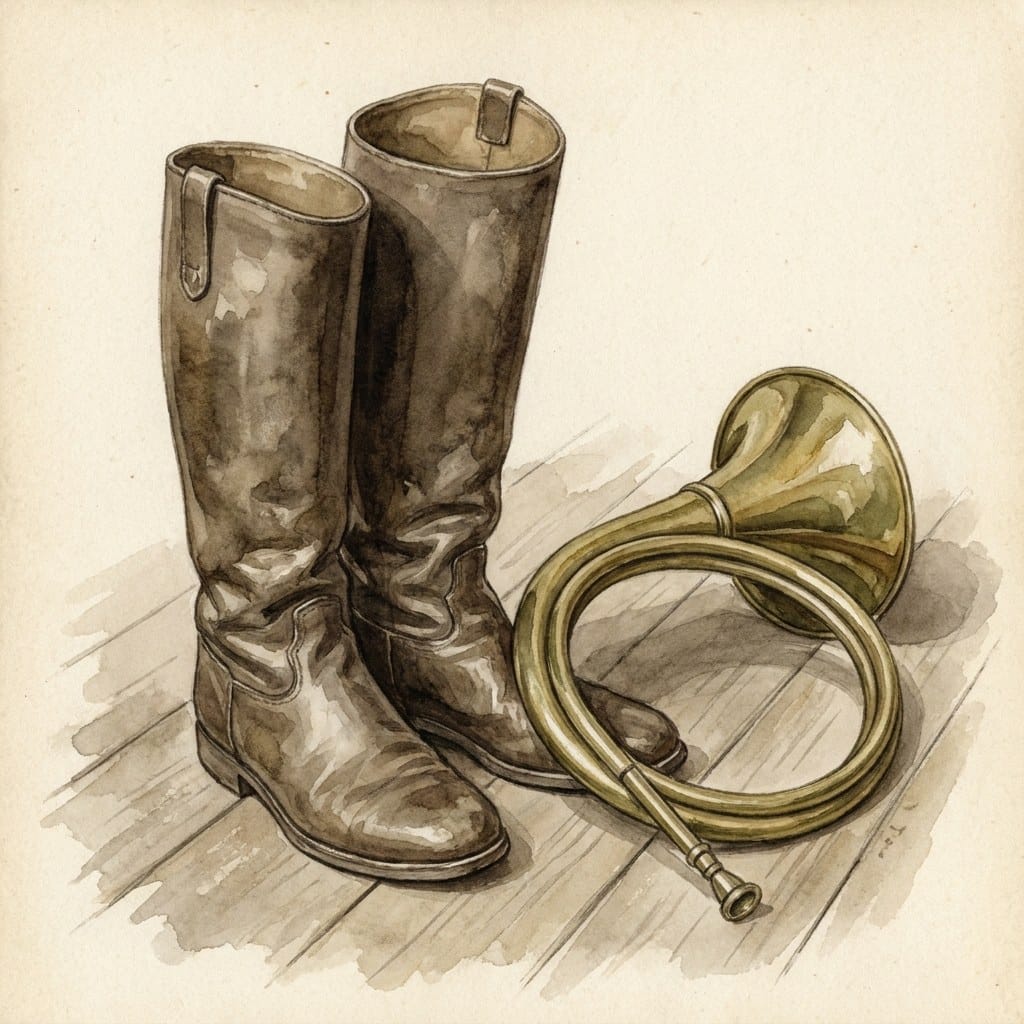
Yet he owes his fame to a painting. In 1902, John Singer Sargent painted a full-length portrait of him in hunting attire: a pale yellow waistcoat, woollen breeches and polished boots. The portrait is now in the National Gallery in London.
King Edward VII nicknamed him “The Ancestor”.