

It happened on 11 November
A plaque in honour of Allied airmen, in Fontainebleau
On 11 November 1949, a small monument was unveiled in the Solle Valley, within the grounds of what is now the Hippodrome de la Solle.
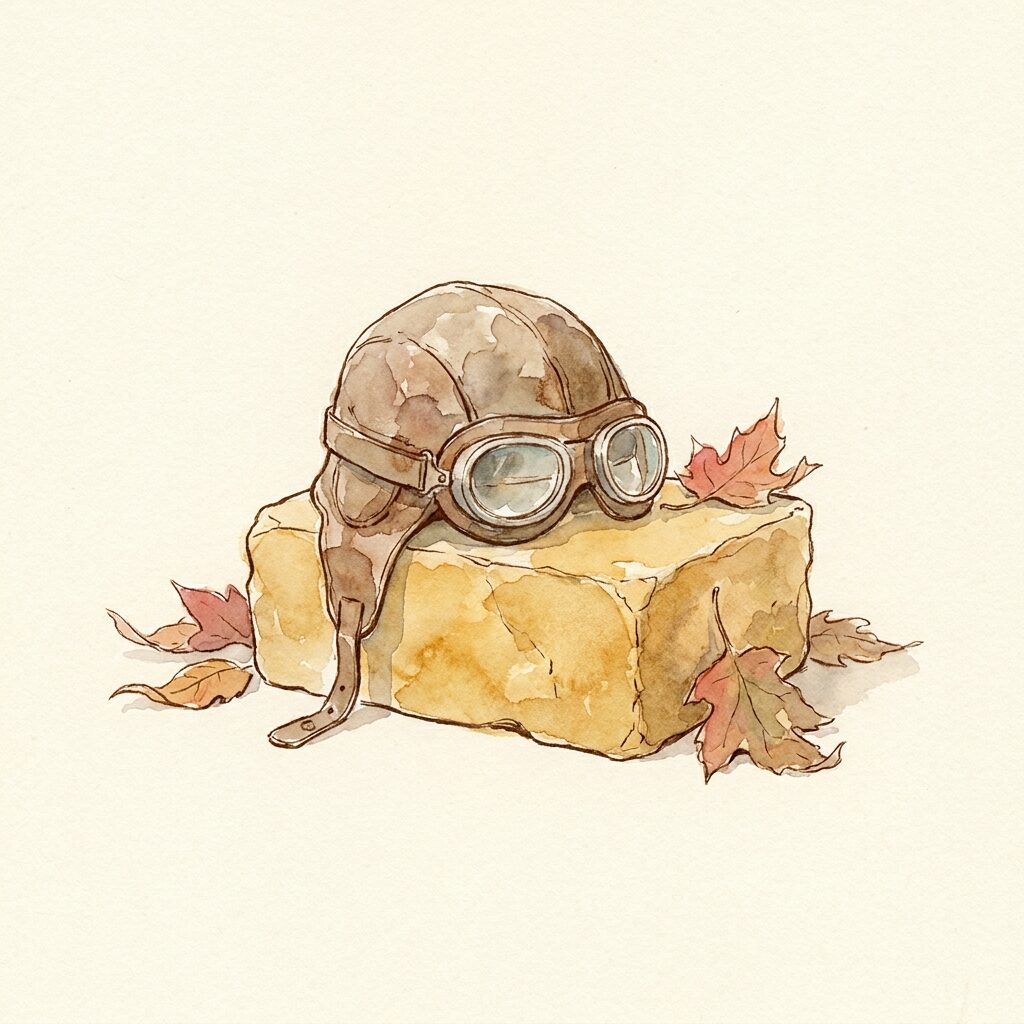
It pays tribute to the Allied airmen who lost their lives on 4 July 1944. Their Canadian four-engined aircraft, which was hit over Bois-le-Roi, exploded above the racecourse.
A marble plaque, set into a block of sandstone, commemorates the crews who fell “at this spot” and in the Forest of Fontainebleau. On that day, the mayor, Hubert Pajot, warned: “From this evening, time will begin to do its work and erase this inscription.”
The monument did indeed fall into oblivion until it was restored in 2005 by the Souvenir français.
A star that shouldn’t have been there
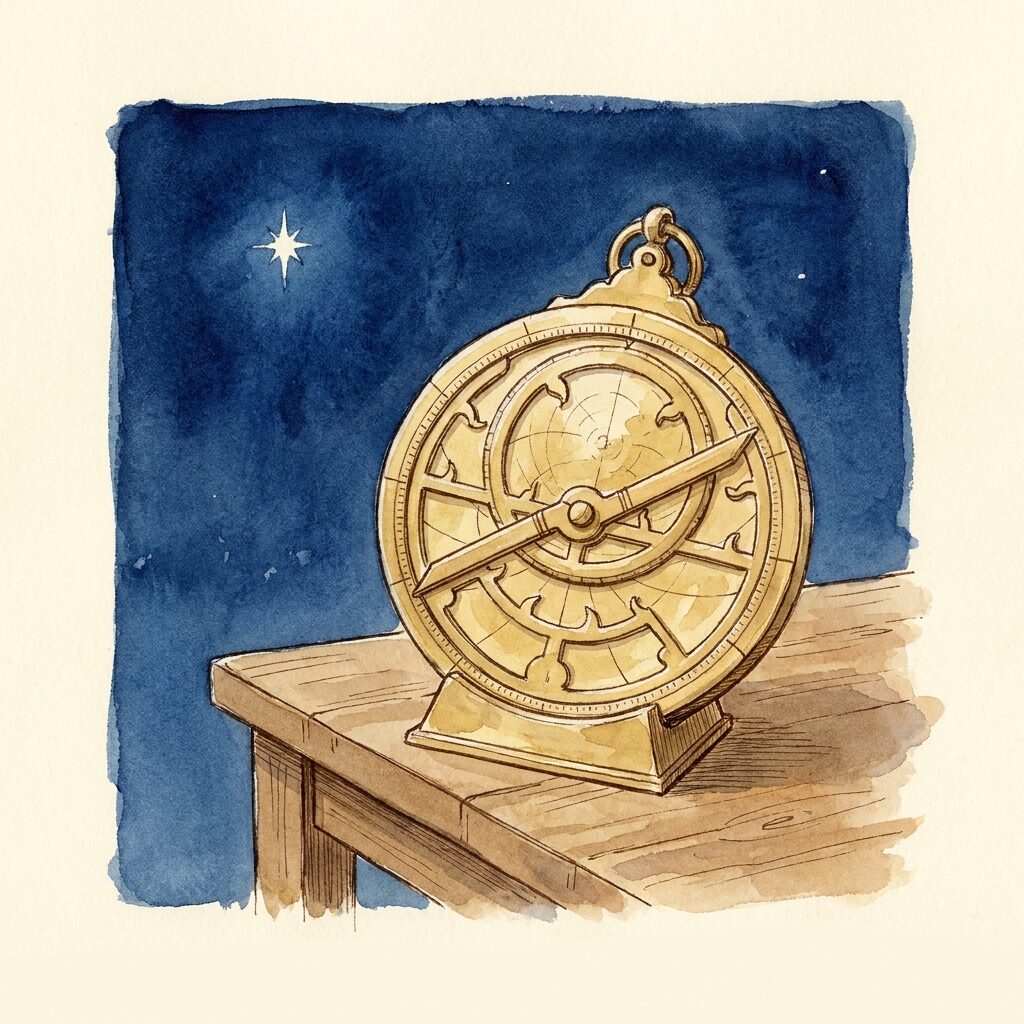
On 11 November 1572, the Danish astronomer Tycho Brahe observed a “new star” in the constellation Cassiopeia, brighter than Venus, in a place where there had previously been none.
He demonstrated that it lay far beyond the Moon, amongst the stars that were thought to be unchanging. So the sky could change.
This supernova remained visible to the naked eye until March 1574. Tycho Brahe wrote a book about it, “De nova stella”, which made him famous throughout Europe.
Einstein’s fridge
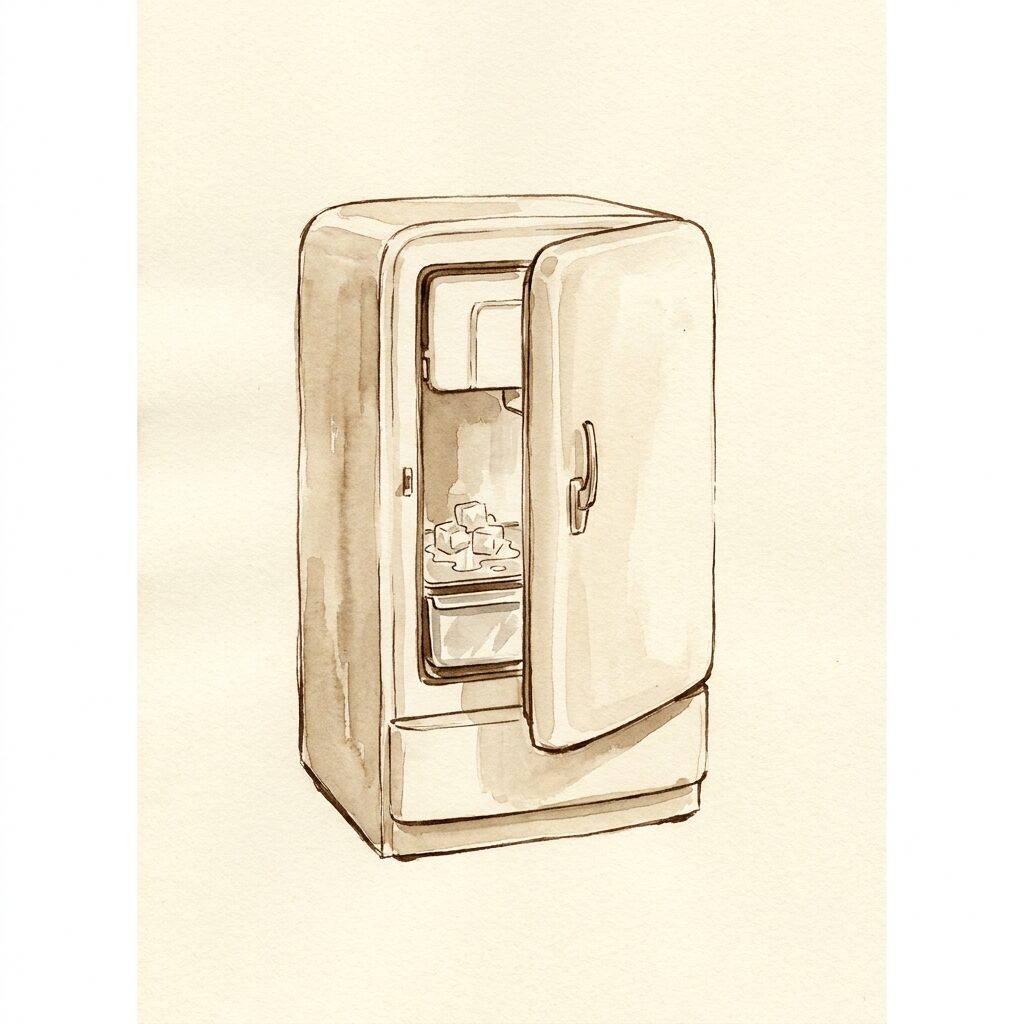
On 11 November 1930, Albert Einstein and Leó Szilárd were granted a US patent for a refrigerator with no moving parts.
The idea was conceived in 1926: fridges at the time used toxic gases, and leaks were causing fatalities.
According to a witness quoted by the American Physical Society, their pump made a sound like a jackal. The arrival of Freon put an end to the project.
Einstein, inventor of domestic appliances: relativity wasn’t his only idea.