
It happened on 27 October
The Treaty of Fontainebleau, which made Rio a capital city
On 27 October 1807, Napoleon’s France and Spain signed a secret treaty at Fontainebleau. Its aim was Portugal, an ally of the British, which Napoleon wished to cut off from British trade.
The country is to be divided up. The north-west and Porto are to go to the House of Bourbon-Parma, the Algarve and the Alentejo to Godoy, the favourite of the Spanish court, and the rest is to be at Napoleon’s disposal. Junot’s army is already marching through Spain.
On 30 November, the French entered Lisbon. They found it deserted: the day before, the Prince Regent, the royal family and the court had set sail for Brazil, under British escort.
They arrived in Rio de Janeiro in March 1808 and stayed there for fourteen years. Brazil became the only colony to serve as the seat of its mother country’s government. Meanwhile, in Spain, further French troops were taking up positions: the Peninsular War began a few months later.
Signed at Fontainebleau, the treaty made Rio a capital city.

Twenty-six minutes beneath the city
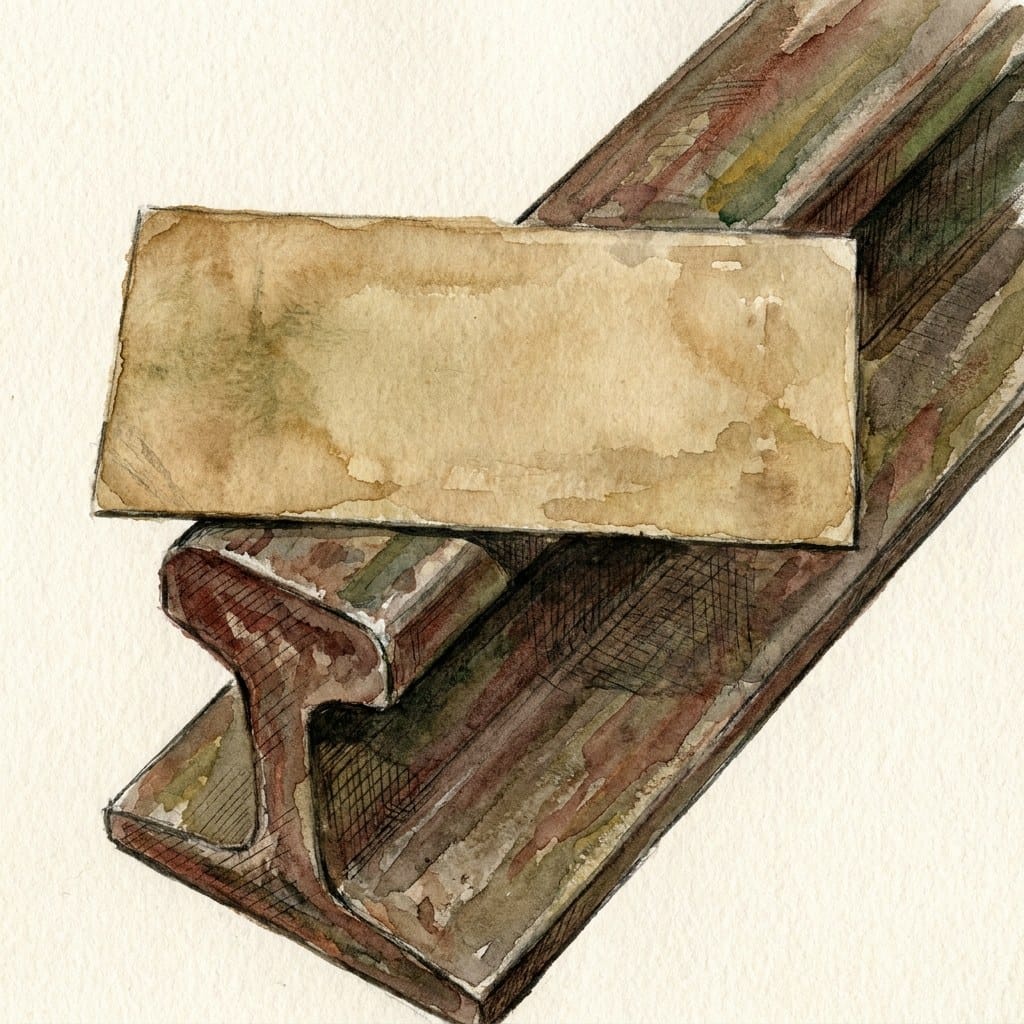
On 27 October 1904, a Thursday, New York opened its first underground railway. The first train set off from City Hall station, near the Town Hall.
It speeds beneath the streets, heading north. The journey to the north of Manhattan takes twenty-six minutes.
At the controls that day was a driver nobody was expecting.
New York had just learnt to go underneath.
“I’m the one driving this train!”
On 27 October 1904, the Mayor of New York, George B. McClellan Jr., was simply due to give the signal for the first underground train to set off. A silver control lever had been made for the occasion.
Then he was supposed to hand over to the driver. He refuses: “No, sir! I’m the one driving this train!”
And the mayor drives the train himself as far as 103rd Street.
The silver lever is now part of the collection of the New-York Historical Society, a museum and library dedicated to the history of New York.
