
Introduction
Le jeu de paume at Fontainebleau is a historic sport that dates back to the 17th century, when Henry IV built the Salle de Jeu de Paume in 1601.
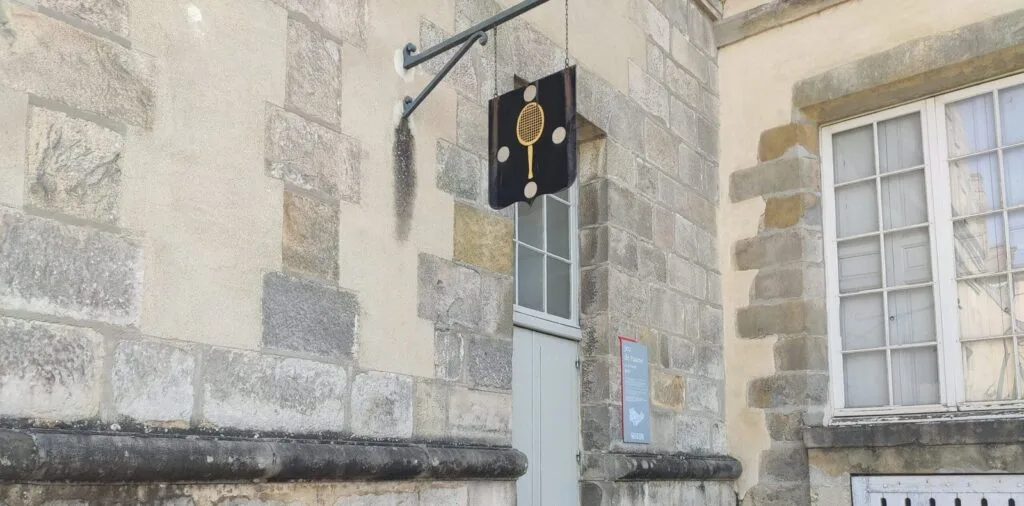
You will find the entrance to the Salle du Jeu de Paume to the left of the staircase iconic chtaeau. A small snowshoe hangs above the door. Access is freeAnd if you're lucky, you might even come across a game in progress, because yes! the room is still in use !
But back to history...
This emblematic site represents a cultural heritage a rich heritage of French sporting traditions.
The jeu de paume, often considered the ancestor of tennis, played a significant role in French culture, attracting sovereigns such as Louis XIV. This article explores five key reasons to visit the jeu de paume at Fontainebleau, highlighting its historical importance and cultural significance.
1. An exceptional sporting heritage
La Salle de Jeu de Paume, Fontainebleaubuilt in 1601 under the reign ofHenry IVis considered to be the oldest sports hall in the world. This emblematic monument is not just about its impressive architecture; it also represents a rich cultural and sporting heritage.
- The legacy of the jeu de paume Tennis, the ancestor of tennis, is deeply rooted in French culture. It has developed over the centuries, becoming a symbol of elegance and nobility. Jeu de paume has evolved while preserving its traditions.
- Importance for French sovereigns emblematic figures such asHenry IV and Louis XIV were fervent practitioners of the sport. Their interest contributed to its popularity and its privileged status among aristocratic activities. The hall itself bears witness to this royal passion for the game.
This unique combination of history, architecture and culture makes the Salle de Jeu de Paume a must-see for any lover of sporting history.
2. Physical activity accessible to all
The game of paume is distinguished by its accessibility, offering introductory course for beginners and enthusiasts alike. These sessions allow novices to discover the basics of the game while having fun. The sessions are supervised by experienced peacock masters, guaranteeing an enriching experience.
Mixed sport and inclusiveness
Since the 15th century, jeu de paume has been a mixed sport, welcoming players from all backgrounds, regardless of age or gender. This inclusiveness has enabled the game to develop within French society, fostering conviviality and exchanges between participants.
Physical benefits
There are several advantages to playing the game physical benefits notables :
- Endurance : Matches require sustained effort, which improves general fitness.
- Coordination The game requires hand-eye coordination, which is essential for mastering movements and techniques.
- Concentration The need to anticipate your opponent's actions reinforces your concentration and strategy.
These aspects make the game both enjoyable and beneficial to your physical and mental health.
3. Historical events and modern competitions
The Jeu de paume at Fontainebleau is the cradle of a rich tradition of competitions that has endured for centuries.
- First World Championship in 1740 This landmark event was held in the iconic venue, underlining the historical importance of the site. The championship not only showcased the talents of the players, but also helped to establish rules and standards for the game.
- Role of the Cercle du Jeu de Paume Gaming: this organisation plays a crucial role in preserving and promoting the game. It organises events, tournaments and activities that attract both enthusiasts and novices. Thanks to its efforts, Jeu de paume continues to evolve while respecting its historical roots.
- Participation opportunities Competitions: visitors can sign up for competitions throughout the year. Whether you're a beginner or an experienced player, there's a range of events to suit all levels. These competitions are a great opportunity to experience the adrenaline of the game while connecting with other enthusiasts.
The experience is more than just entertainment; it also strengthens the bond between generations and preserves a unique sporting heritage.
4. Discovering a rich French culture through jeu de paume
Jeu de paume in France has a fascinating history dating back to the Middle Ages. Originally played bare-handed, it evolved with the introduction of rackets in the 15th century, marking the beginning of its transformation into modern tennis. This evolution highlights not only changes in the rules of the game, but also a reflection of the sporting and social practices of the time.
Playing jeu de paume offers a direct immersion in French culture. This noble sport, enjoyed by royalty and the bourgeoisie, has helped shape social dynamics. By playing, you are taking part in a centuries-old tradition that has united generations down the ages.
The cultural and social impact of the game is significant. It has been a vehicle for inclusiveness, allowing women to play as early as the 15th century, a rare occurrence for the time. This openness helped to break down certain social barriers and encourage gender equality in sport. The jeu de paume remains a powerful symbol of France's sporting heritage and continues to enrich contemporary culture.
5. Complementary activities at the Château de Fontainebleau for a complete experience
The Château de Fontainebleau offers much more than just a game of paume. By visiting this historic site, you can explore a variety of nearby tourist activities:
- Guided tours Discover the fascinating history of the castle and its magnificent royal flats on enriching guided tours led by passionate experts.
- Art exhibitions The château regularly hosts temporary exhibitions showcasing works of art and talented craftsmen, offering a glimpse of contemporary French culture.
- Unique experiences A royal picnic in the château's gardens: the perfect opportunity to savour fine food in an exceptional setting. There are also introductory workshops in jeu de paume, allowing visitors to immerse themselves in this historic activity.
- Exploring the gardens and royal flats Stroll through the sumptuous gardens designed by André Le Nôtre, admire the sculptures and fountains, or explore the royal flats, which bear witness to the opulent lifestyle of the French sovereigns.
These activities create an immersive environment that enriches your visit to the Château de Fontainebleau, making your experience a memorable one.
Conclusion
A visit to the Jeu de paume in Fontainebleau will :
- Discover the history of Jeu de paume, a noble and emblematic sport.
- Explore France's rich and vibrant cultural heritage.
- Take part in activities that link past and present.
This unique experience immerses you in French culture while paying tribute to an ancient sporting tradition. Don't miss the chance to explore this historic treasure. The Jeu de paume in Fontainebleau is waiting to share its passion and heritage with you.
Frequently asked questions
What is jeu de paume at Fontainebleau?
Jeu de paume in Fontainebleau is a historic sport, considered to be the ancestor of modern tennis. The Salle de Jeu de Paume, built in 1601, is the oldest sports hall in the world and represents an exceptional sporting heritage.
What are the physical benefits of table tennis?
The game offers a number of physical benefits, including improved endurance, coordination and concentration. It is a physical activity that is accessible to all, and has been promoting inclusiveness since the 15th century.
Are there any modern palm competitions?
Yes, there are national competitions in jeu de paume, with the first World Championship taking place in Fontainebleau in 1740. The Cercle du Jeu de Paume plays a key role in preserving and promoting this sport.
How has jeu de paume influenced French culture?
Jeu de paume has had a significant cultural and social impact in France, with origins dating back several centuries. It has evolved into modern tennis while remaining immersed in French culture.
What additional activities are available at the Château de Fontainebleau?
At the Château de Fontainebleau, visitors can enjoy tourist activities such as guided tours and art exhibitions, as well as unique experiences such as royal picnics and introductory workshops in jeu de paume.
Why should I visit the Jeu de Paume in Fontainebleau?
A visit to the Jeu de Paume in Fontainebleau is not only a chance to explore France's unique cultural heritage, but also to appreciate the rich history of sport. It's an invitation to discover an essential part of France's sporting and cultural heritage.