



Introduction
The châteaux of Vaux-le-Vicomte and Fontainebleau stand majestically in the Seine-et-Marne region, attracting thousands of visitors every year. These two jewels of France's heritage are not only examples of splendid architecture, but also bear witness to a rich and fascinating history.
Historical and architectural significance
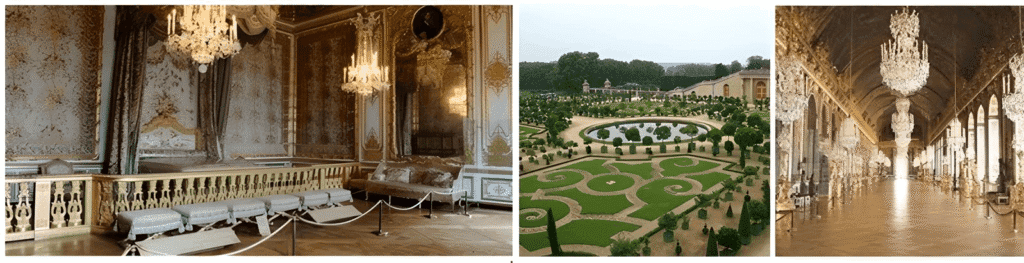
- Vaux-le-Vicomte Built in the 17th century for Nicolas Fouquet, this château illustrates the Baroque style with its gardens designed by André Le Nôtre. Its harmonious symmetry and decorative features make it a masterpiece.
- Fontainebleau A royal residence par excellence, this château has been home to many French monarchs. Its vast gardens and surrounding forests add to its charm and appeal.
Comparison between the Vaux-le-Vicomte and Fontainebleau châteaux
The differences between the Vaux-le-Vicomte and Fontainebleau châteaux are striking, both architecturally and in terms of the atmosphere they exude.
Vaux-le-Vicomte :
- Built in the Baroque style, this château stands out for its perfect symmetry and its formal gardens designed by André Le Nôtre.
- The interior is richly decorated with works by Charles Le Brun, creating an opulent atmosphere.
- The main attraction is the fascinating story of Nicolas Fouquet and the legendary party that led to his arrest.
Fontainebleau :
- With its varied architectural influences, ranging from the Middle Ages to the Renaissance, the château exudes a unique majesty.
- Its vast gardens and forests offer a more natural setting, perfect for family walks.
- Visitors are attracted by its historic role as the residence of many French kings and by its contemporary cultural activities.
These distinct tourist attractions make each castle a unique experience, whether you're looking for Baroque elegance or royal grandeur.
Discover the wonders of the Château de Fontainebleau
The Château de Fontainebleau is much more than just a monument; it's a veritable royal residence which has welcomed many French monarchs over the centuries.
Historical importance
- Residence of kings Fontainebleau has been a favourite haunt of many kings, including François I and Napoleon Bonaparte.
- Cultural centre The castle has been a hotbed of arts and culture, attracting famous artists and writers.
Architectural features
The architectural features of the château are quite simply remarkable:
- Renaissance and classical style A harmonious blend of styles reflecting the evolution of French architecture.
- Outdoor facilities The carefully designed gardens and extensive surrounding woodland add to the beauty of the site.
Fontainebleau is also a UNESCO World Heritage Site, a testament to its importance in French history.
To explore
Don't miss :
- The sumptuously decorated rooms, each telling a different part of Fontainebleau's history.
- The small, period palm-playing room! (Henri IV used to play there!) in the left wing, facing the château staircase.
- The formal gardens, perfect for a relaxing stroll after your visit.
This castle will plunge you into the heart of a fascinating history, while offering breathtaking views over its vast outdoor spaces.
Fascinating history of the Château de Vaux-le-Vicomte
The Château de Vaux-le-Vicomte was built between 1658 and 1661, an ambitious project directed by Nicolas Fouquetthen superintendent of finance for Louis XIV. This emblematic château was designed to reflect the power and refined taste of its owner, while at the same time becoming a model of Baroque architecture.
The main contractors
- Louis Le Vau He was a visionary architect who designed the château with meticulous attention to detail and harmony.
- André Le Nôtre A renowned landscape gardener, he created the gardens surrounding the château, incorporating masterly visual elements.
Distinctive elements of Baroque architecture
The Baroque style has a number of characteristics:
- Harmonious symmetry The facades are balanced, creating an impression of grandeur.
- Interior plan Almost entirely symmetrical, it guides visitors through carefully designed spaces.
An artistic masterpiece
The château attracted many artists, including Molière and Jean de La Fontaine, thanks to Fouquet's generous patronage. Every detail, from the candles in the salons to the ornaments in the gardens, bears witness to an era when art and nature came together to create a unique experience.
Vaux-le-Vicomte is more than just a building; it is a living testimony to an era when royal power and artistic creativity were intertwined.
The legendary festival that marked the history of Vaux-le-Vicomte
La celebration of 1661 at the Château de Vaux-le-Vicomte is a memorable page in French history. Nicolas Fouquet, keen to impress King Louis XIV, organised a sumptuous event that would leave a lasting impression.
- Prestigious guests Molière, La Fontaine and other artists were on hand to celebrate the splendours of the château.
- A dazzling show Fireworks, enchanting music and fine food were all part of an unforgettable feast.
The party did not go unnoticed by Louis XIV. Although Fouquet's intention was to show off his wealth and taste, this attracted the king's jealousy. A few days after this grandiose celebration, the repercussions were tragic: Fouquet's arrest.
The lasting impact of this event still resonates today. Vaux-le-Vicomte became the symbol of one man's overweening ambitions in the face of royal grandeur. This historic moment changed the course of the château, placing it in the shadow of Versailles and redefining its cultural heritage. The beauty and elegance of the site continue to attract visitors, fascinated by its flamboyant and dramatic past.
Conclusion: a call to discover the royal duo of châteaux!
Seine-et-Marne awaits you with its historic treasures. Vaux-le-Vicomte and Fontainebleau are not just castles, but experiences to be had.
- Immerse yourself in the timeless splendour of these iconic sites.
- Admire the majestic gardens of Vaux-le-Vicomte and the refined architecture of Fontainebleau.
- Awaken your senses to the fascinating history that has shaped these places.
Don't wait any longer to visit Seine-et-Marne. Every corner of these châteaux tells a story, every stone a secret. Visit duo royal des châteaux promises an unforgettable adventure. Prepare to be amazed by the beauty and cultural richness of the region!
Enriching activities on a visit to Fontainebleau
As you explore the Château de Fontainebleau, look forward to a host of enriching activities that will make your visit an unforgettable experience. Here are a few recreational options and cultural events not to be missed:
- Horse-drawn carriage rides Enjoy a relaxing stroll through the castle's magnificent gardens. These walks allow you to admire the beauty of the scenery while soaking up the soothing atmosphere.
- Walks around the ponds Stroll along the surrounding ponds, perfect for a moment of relaxation. The natural surroundings provide an idyllic backdrop for photos or simply to recharge your batteries.
- Cultural events Events: the château regularly organises events that plunge visitors into life at the royal court. Attend historical re-enactments, concerts or temporary exhibitions that showcase Fontainebleau's rich cultural heritage.
- Sports activities Active leisure: the area around the château also offers plenty of opportunities for active leisure enthusiasts. Try your hand at canoeing on the nearby rivers, or take a horse ride through the vast Fontainebleau forest.
These varied activities make Fontainebleau the perfect destination for combining relaxation with historical discovery. Don't forget to include these experiences in your itinerary to make the most of this jewel of French heritage!
Frequently asked questions
What are the main attractions of the Vaux-le-Vicomte and Fontainebleau châteaux?
The châteaux of Vaux-le-Vicomte and Fontainebleau are major tourist destinations in Seine-et-Marne. Vaux-le-Vicomte is famous for its Baroque architecture and gardens designed by André Le Nôtre, while Fontainebleau is renowned for its history as a royal residence and its remarkable architectural features, which are listed as a UNESCO World Heritage Site.
What is the historical significance of the Château de Fontainebleau?
The Château de Fontainebleau has been a royal residence for several French monarchs over the centuries. Its rich history includes many significant events, and it is an architectural masterpiece with its magnificent outdoor features.
What activities are available on a visit to Fontainebleau?
During a visit to the Château de Fontainebleau, visitors can enjoy recreational activities such as carriage rides in the gardens or walks around the ponds. In addition, the château regularly organises cultural events offering a lively insight into life at the royal court.
Why is Nicolas Fouquet such an important figure in the history of Vaux-le-Vicomte?
Nicolas Fouquet commissioned the Château de Vaux-le-Vicomte, which was built between 1658 and 1661. His influence on the design of the château, created by renowned artists such as Louis Le Vau and André Le Nôtre, marked the apogee of the Baroque style in France. His sumptuous celebration in 1661 also led to his arrest by Louis XIV, having a lasting impact on the castle's cultural legacy.